Publications
These Working Papers represent the initial results of pilot research conducted by young African scholars to bring local voices from the Horn of Africa into our global discussions of climate change. The research was supported by a grant from the University of Pennsylvania’s Global Initiatives Fund with administrative assistance from the Rift Vally Institute based in Nairobi Kenya. After submitting successful proposals, seven researchers/research teams were awarded small grants to conduct field work at a variety of sites in Somaliland and Ethiopia where local landscapes and livelihoods have been impacted by recent environmental changes. The investigators typically spent 4-8 days in the field seeking to document those changes through direct observations, interviews with community members and local officials, and/or focus group discussions with resident African farmers, herders, or fishermen.
The initial findings from these short field studies (and in one instance the production of a video with excerpts from a Somali play) should be considered ‘works in progress’ by early career scholars who will hopefully find the support to continue their research going forward. The current reports present new data collected and analyzed by the researchers, including valuable climate-related word lists and local taxonomies derived from interviews and observations. Collectively they reveal the wealth of indigenous environmental knowledge preserved in folk traditions and popular songs, oral poetry, and everyday practices. The reports also include frank commentaries on the obstacles the researchers encountered in their field work, from logistical challenges to time constraints and limited financial resources. These are important reminders of the need for more sustained institutional support to carry forward grass-roots research, to build trust with local communities, and to bring indigenous knowledge into conversations about adaptive strategies for combatting the impacts of climate change. It is our hope that the work of these early-career scholars will inspire further research and help build trans-national networks of researchers and practitioners across the greater Horn.
************************************
The editor wishes to thank Khalid Mohieldin for his work in formatting, uploading, and in securing open access for these Working Papers.
Lee Cassanelli - University of Pennsylvania





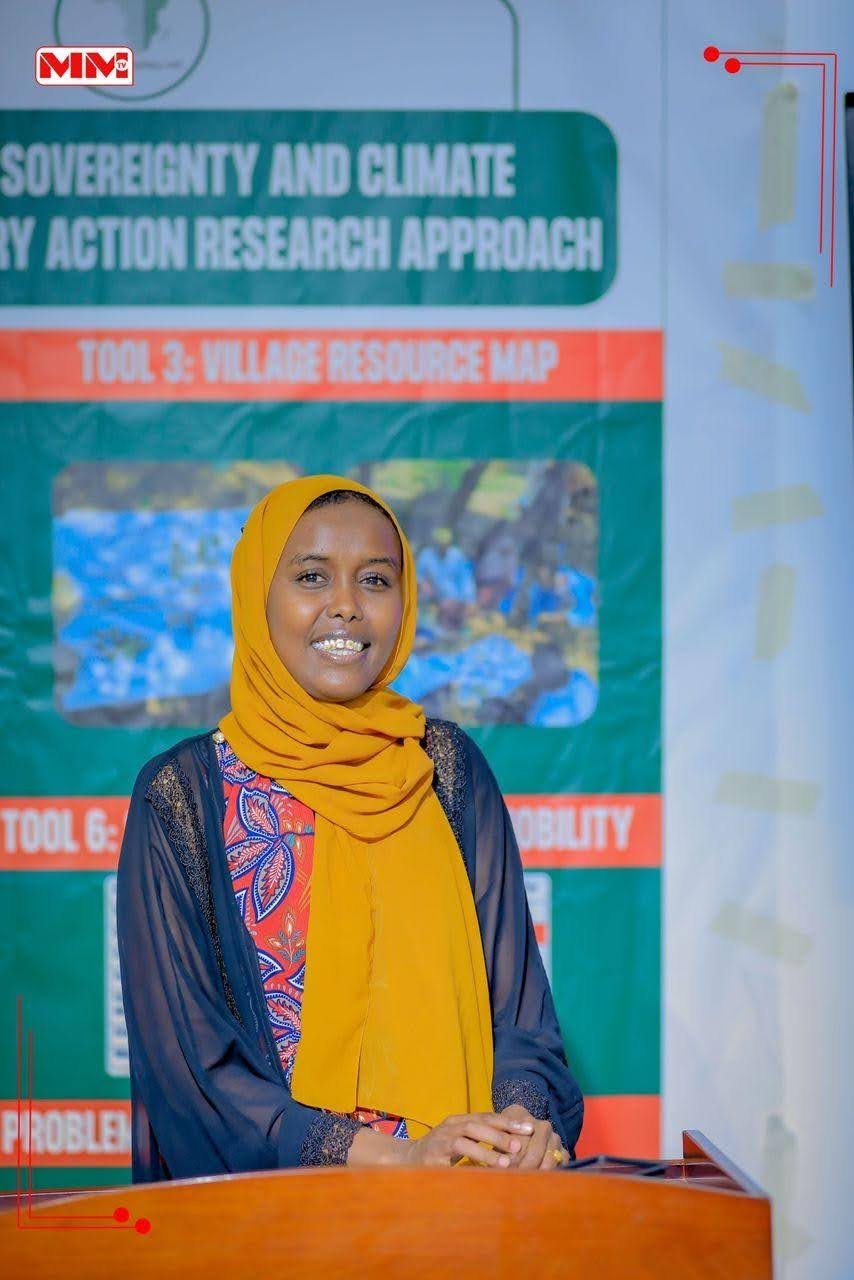

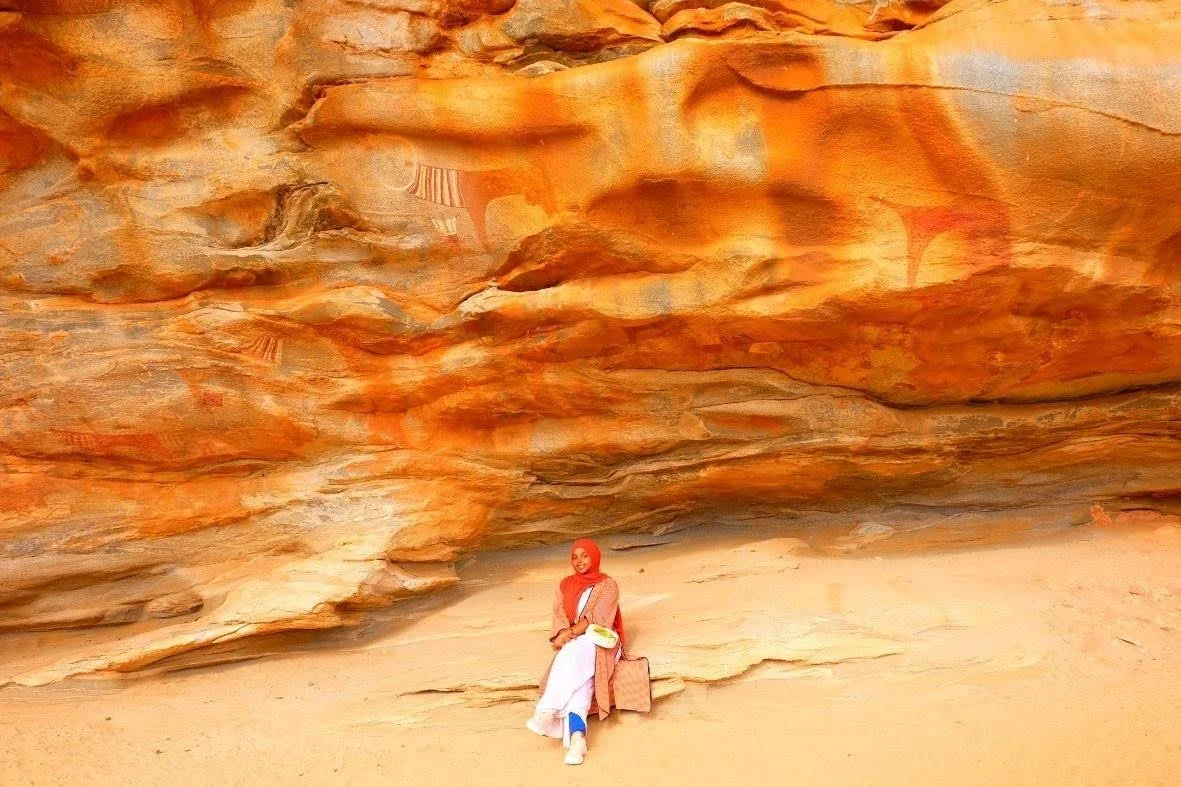
The Local Perceptions of Environmental Changes in Berbera Since the 2000s
by Marwaad Kayse
Abstract: This research examines local perceptions of environmental changes in Berbera since the 2000s, a topic often overshadowed by the city’s economic significance as the country’s primary port. The study spans two visits to Berbera, in total lasting 14 days, and focuses on participants selected based on age, dwelling, and occupation. Key findings are organized into three thematic sections: first, the role of social stratification in shaping how individuals perceive environmental changes, highlighting disparities in awareness and engagement across different social groups; second, the absence of climatic environment perceptions, and third the role of Berbera’s local government in driving adaptive and developmental socio-ecological changes, often adopting a top- down approach that limits grassroots participation. These findings illuminate the interplay between socioeconomic hierarchies, governance practices, and environmental awareness. Read more »
Climate Change Through Local Eyes: Documenting Local Perceptions and Adaptation Strategies of Somali Pastoralists in the Kebribeyah District, Ethiopia
by Tesfamikael Teshale Kebede
Abstract: Pastoralist and agropastoral local knowledge and practices related to climate change understanding and adaptation are not well understood and documented. Therefore, this study explores the local climate change perceptions and adaptation strategies of Somali Pastoralists in the Kebribeyah district, Ethiopia. A combination of focus group discussions, key informant interviews, and observations were conducted with the study area's pastoral and agro-pastoral community members. Thematic analysis was used to analyse the data. Reductions in rangeland, erratic rainfall, recurrent droughts, and loss of seasonality were perceived as the biggest climate challenges.. . . . Read more »
Environmental History of the Horn of Africa: Learning from Swayne and Today’s Elders
by Faisal Jama Gelle, Ismael Esse Xayir, Stephen Johnson, Mary Barkworth
Abstract: This report documents local historical knowledge of environmental change in the Horn of Africa through structured interviews with elders in three regions of Somaliland. Elders described changes in vegetation, wildlife, water availability, land use, and seasonal patterns over their lifetimes, drawing on personal experience, oral history, and intergenerational knowledge. Their accounts point to a long-term trend toward drier conditions, compounded in recent decades by population growth, changes in land management, loss of wildlife, and increased pressure on rangelands. All respondents agreed on the need for stronger government enforcement of laws designed to protect the forests and their wildlife. Other suggestions included managing some areas for open grazing and others for agriculture or settlement and developing more economic opportunities, including by providing loans.
In addition to recording these observations, the study explores how such local knowledge can complement scientific data and inform biodiversity documentation . . . . Read more »
Navigating Water Scarcity: Coping Strategies of Pastoralists in Fafen Zone, Ethiopia – A Pilot Study
by Getaneh Haile Shoddo (Ph.D.)
Abstract: This report examines the challenges faced by pastoralists in the Fafen Zone, Tuluguled District in Ethiopia, and explores the coping mechanisms they employ to address water scarcity and environmental stress. Based on a pilot field study, key findings highlight the socioeconomic, environmental, and institutional factors influencing pastoralist livelihoods and the strategies adopted to cope with these challenges. The study reveals that water scarcity, exacerbated by climate change and recurrent droughts, significantly impacts pastoral livelihoods, leading to rangeland degradation, reduced livestock productivity, and economic vulnerability. Through direct engagement with local informants, the research identifies ‘key coping mechanisms’ including seasonal migration, diversification of livelihoods, water conservation practices, and reliance on robust social networks. These mechanisms, while effective in the short-term, are increasingly strained by the changing . . . Read more »
Environmental Advocacy and Cultural Memory in Somali Poetic Drama: A Case Study of Hassan Ganey’s Calamities Are the Best Educators in the Globe
by Nasra Dahir Mohamed (Ph.D.)
Abstract: This essay introduces and analyzes video excerpts from Hassan Ganey’s 1982 Calamities Are the Best Educators in the Globe, a play which uses performance and poetry to pose questions about the Somali environment and how people should live with the nature around them. It suggests that Somali poetic drama is more that art; it is an archive and means of teaching about land, water, livestock and their connection to Somali culture. The essay argues that Ganey’s work connects Somali traditional knowledge with today’s environmental challenges, showing how poetic performance can shape ecological awareness and guide reflection on sustainable futures, and how culture and traditional knowledge are not going back, but a background that pushes forward. Read more »
Documenting The Climate Change Terminologies Among Maay Somali Language Speakers
by Tirsit Yetbarek Seme
Abstract: Discussion of climate change within Somali-speaking communities is gaining momentum, largely driven by global initiatives. However, research highlights a significant gap in the localisation and development of relevant terminology and engagement strategies that reflect the community's social, political, and linguistic diversity. Specifically, there is no comprehensive list of climate-related terms available for either the dominant Somali dialect or the Maay language. The current approach to creating climate messages relies on a limited set of commonly used, directly translated words, which hampers effective communication . . . Read more »
The Fisherman’s Folk Song
by Hamdi Ali
Abstract: This report presents a preliminary analysis of fishermen’s folk songs from Berbera Old Port as a form of intangible cultural heritage deeply embedded in the daily lives, livelihoods, and environmental consciousness of coastal communities in Somaliland. Drawing on oral history methodology, the research documents and analyzes songs performed during different phases of fishing activity—from preparation and sailing to harvesting, trading, and return. The findings demonstrate that these songs function not only as work songs but also as repositories of ecological knowledge, social memory, market communication, and collective identity. In the absence of formal archival institutions during decades of state collapse, such oral traditions have served as living archives. The report argues that fishermen’s folk songs are a critical yet under-documented component of Somali cultural heritage that requires urgent preservation. Read more »